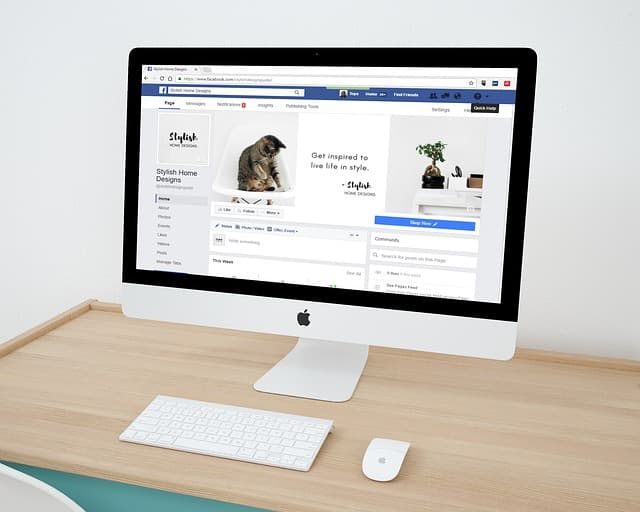
Yes, the Facebook Marketplace platform is safe. However, it is important to be cautious and aware of scammers that are active on the platform, just like any other online marketplace. Facebook Marketplace is a part of Facebook where you can buy items from individuals or small businesses or sell them. Whether you’re buying or selling, avoiding scams on Facebook Marketplace can be avoided by communicating only through Facebook Messenger, not giving out personal information, and being aware of common phishing scams.
How does Facebook protect buyers and sellers?
Facebook has several security measures in place to protect buyers and sellers who use Facebook Marketplace:
- Purchase Protection is a free feature that allows you to request a refund on eligible orders if you did not receive your order, received a damaged product, the seller did not follow the return policy, the seller was removed from Facebook, or the purchase was unauthorized. This policy protects you as a buyer, as Facebook will review the details of your order and approve your claim if it finds any irregularities regarding the order.
- Seller Protection is a program that protects sellers from claims arising from problems with orders that the seller had no control over. This program helps sellers in cases of lost, stolen, or delayed packages where buyers are lying
How do I avoid getting scammed on Facebook Marketplace?
There are many potential scammers on Facebook Marketplace, so it’s important to learn how to protect yourself from them. To avoid becoming a victim, only communicate via Facebook Messenger, never share personal information, and check seller reviews.
Only communicate via Facebook Messenger
To protect the item if you are the seller and the money if you are the buyer, communicate only on Facebook Messenger when buying or selling an item on Facebook Marketplace. If a buyer or seller wants to contact you via text message, email, or other application, it could be a sign that they are trying to scam you. If you have a conversation outside of Facebook Messenger, the risk of Facebook not being able to help you if you are being scammed will increase because your conversations cannot be used as evidence.
Do not share personal information under any circumstances
When communicating with a potential buyer or seller, never give out personal information such as home address, phone number or credit card details. For example, if you are about to purchase a product and the seller directly asks for bank account information, this is a red flag and you should stop interacting with them immediately. If you provide someone with personal information through Facebook Marketplace, that person could commit identity theft or a phishing attack against you.
Check the seller’s reviews and ratings
Before buying an item from a seller, check out their ratings on Facebook Marketplace. If the seller has negative reviews or bad ratings, don’t do business with them. A seller on Facebook Marketplace should have more positive reviews than negative reviews. This indicates that others have bought items from him legally. However, scrutinize the reviews carefully to ensure that they are authentic. Some scammers may use fake positive reviews, usually written by bots, to inspire more trust.
Be aware of phishing scams
Facebook Marketplace is often the target of phishing scams, which you should be aware of when buying or selling anything on the platform. Common types of phishing scams on Facebook Marketplace include prepayment scams, gift card scams, wire transfer scams, and defective merchandise scams. Whether you’re a buyer or seller, there are many on Facebook Marketplace who want to scam you out of money, goods or services, so it’s important to be cautious and aware of the latest scams.
Don’t agree to overpayments
If you are a seller on Facebook Marketplace, never accept an overpayment as it is often a scam. For example, if you sell an item for $30 but the buyer sends you $50, they can either demand a refund of the extra amount or expect you to notice the overpayment and return it voluntarily. In reality, the buyer intentionally overpaid to trick you into returning the money. Some scammers use stolen debit or credit cards to make payments that will eventually be canceled and the funds withdrawn from your account. Therefore, if you return the money “back” to the buyer, you will actually lose your own money.