The modern market in Slovakia, as well as throughout Europe, is increasingly moving online. Competition between brands is growing, while consumer habits are changing. People more often make purchases through smartphones, get information from social networks, and prefer quick, personalized offers. That is why digital technologies are becoming the main channel of communication between businesses and customers. Push notifications, e-mail marketing, and personal discounts today are not just trends but essential tools for building long-term relationships with the audience.
It is worth noting that these mechanisms are used not only in classical retail or services. Even such fields as online entertainment, including online casinos, actively apply personalized mailings and notifications to keep users’ attention. Similar practices can also be seen on psoft.sk, where the best gaming platforms are gathered, clearly showing how digital tools help companies build customer engagement. This confirms the universality of digital solutions that work equally well across different industries.
Push Notifications: Speed and Accuracy
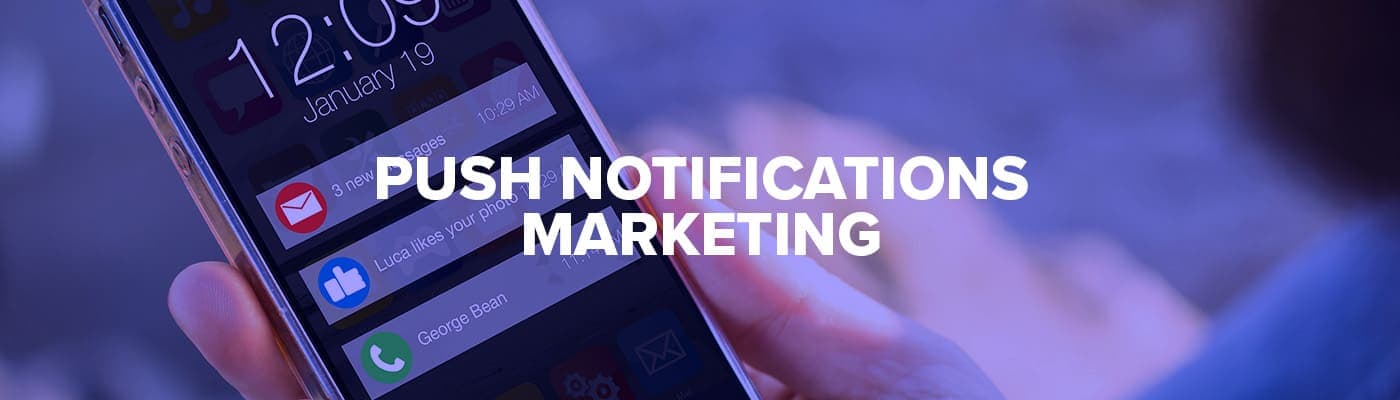
Push notifications are one of the fastest ways to reach the customer. They instantly appear on the smartphone screen without requiring any additional action from the user. Their strength lies in being as short as possible while encouraging a specific action: open the app, learn about a new promotion, or use a discount.
In Slovakia, where smartphone penetration is among the highest in Central Europe, push notifications are particularly effective. Studies show that the probability of reading a push notification is higher than opening a standard e-mail. However, it is important to maintain balance: too frequent or intrusive messages cause irritation and can lead to app deletion. A competent marketer segments the audience and uses notifications only when the offer truly brings value.
E-mail Marketing: Proven Classic in a New Form
E-mail remains one of the most effective communication channels. In Slovakia, most users regularly check their e-mails both at work and for personal purposes. At the same time, modern e-mail marketing has long gone beyond mass mailings.
Today, successful campaigns are based on personalization and automation. Services allow segmentation of databases by interests, purchase history, or customer activity. Thus, an e-mail may contain exactly the offers that are relevant to a particular person: new sports shoes for a fitness enthusiast or flight discounts for those who travel frequently.
It is also important that e-mail provides the opportunity to build step-by-step communication. First comes a welcome letter, then a series of educational or informative messages, and only after that—a direct product or service offer. This format feels more natural and helps the brand build trust.
Personal Discounts as a Loyalty Tool
If push notifications and e-mail are aimed at attracting attention, then personal discounts are focused on customer retention. Consumer psychology is such that people value an individual approach. Receiving a coupon for a product they have already considered, or a discount on a favorite brand, creates the feeling that the company truly knows and values them.
In Slovakia, the practice of personal discounts is particularly active among large supermarket chains, online stores, and food delivery services. Thanks to purchase data analysis, offers are created that stimulate repeat orders. This approach increases the average purchase value and strengthens long-term relationships between brand and customer.
Channel Synergy: The Multiplication Effect
Digital technologies are most effective when they work together. Imagine a situation: a user receives a push notification about a new clothing collection. Later, they find an e-mail with a selection of outfits and a promo code, and in the store’s app, a personal discount is waiting. Such multichannel interaction creates an immersive effect and significantly increases the likelihood of purchase.
For the Slovak market, where consumers value convenience and time-saving, such synergy is particularly relevant. People want to receive information quickly, but it must also be highly relevant. Therefore, the future of digital marketing in the region is connected precisely with the integration of push, e-mail, and personalized offers into a single system.
Prospects and Challenges
Despite the obvious advantages, the use of digital technologies requires a responsible approach. Users in Slovakia, as in the rest of Europe, are sensitive to privacy issues. The GDPR regulation imposes strict requirements on the processing of personal data. Therefore, companies must not only offer personalization but also ensure transparency in how information is collected and used.
The future of marketing in Slovakia is associated with advanced analytics, artificial intelligence, and automation. Algorithms will predict customer behavior even more accurately, push notifications will become more contextual, and e-mail campaigns more interactive. But the key factor for success will remain respect for the customer and the creation of real value in every contact.